
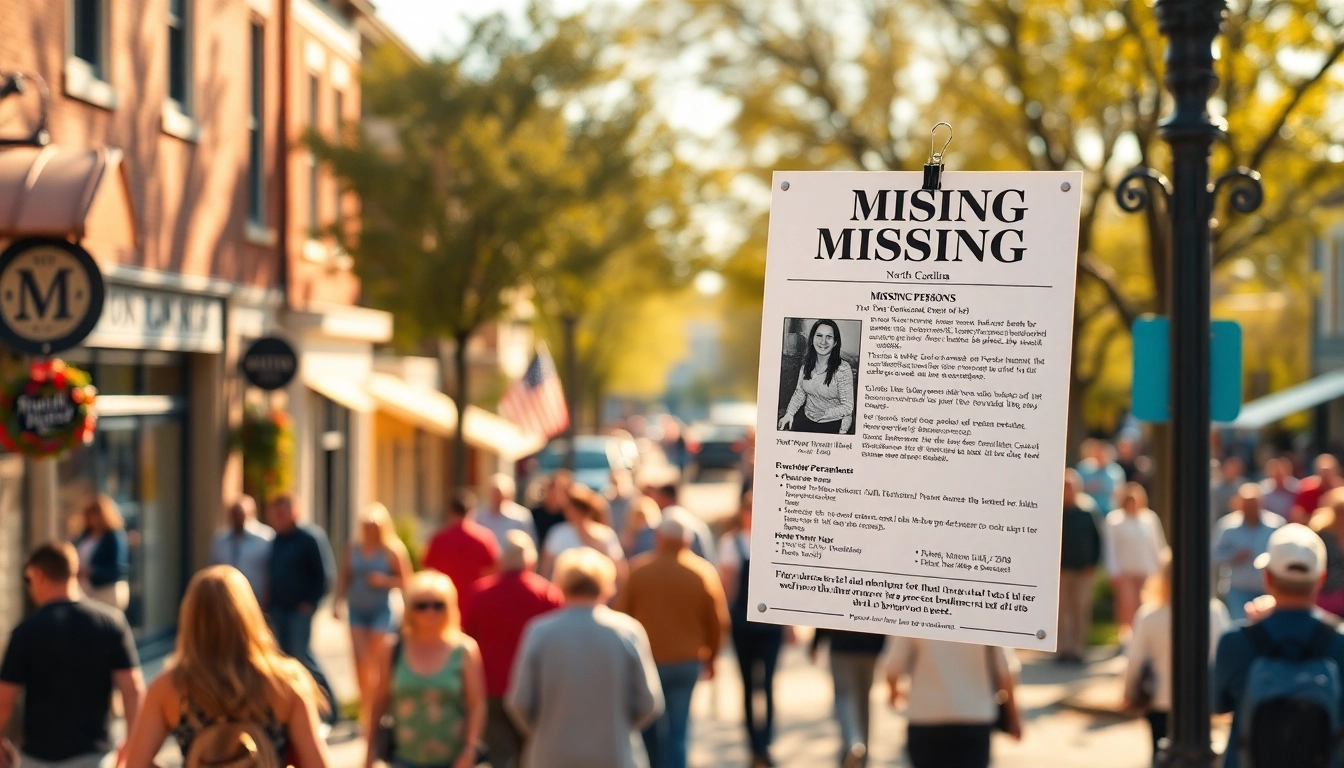
Understanding Missing Persons North Carolina
What Does Missing Persons Mean?
The term "missing persons" refers to individuals whose whereabouts are unknown to their friends, family, and authorities for an extended period. In North Carolina, as in many jurisdictions, a missing persons report can be filed when someone disappears under suspicious circumstances or does not return home as expected. This encompasses various scenarios, including voluntary disappearances, abductions, and accidental occurrences.
Statistics on Missing Persons in North Carolina
Data continually highlights the alarming issue of missing persons across North Carolina. Within the last few years, thousands of individuals have been reported missing, with varying reasons for their disappearances. Authorities often categorize cases based on age, gender, and circumstances surrounding each individual. Recent studies suggest that approximately missing persons north carolina may involve instances of foul play, mental health crises, or voluntary departures. Understanding these statistics plays a crucial role in identifying trends and implementing preventive measures.
Common Reasons for Disappearances
The reasons behind disappearances can be multifaceted. Common causes include domestic disputes, mental health issues, financial problems, and substance abuse. Additionally, abductions and human trafficking remain significant concerns. Analyzing these patterns allows law enforcement and community organizations to strategize effective interventions and awareness campaigns aimed at preventing future cases.
How to Report a Missing Person in North Carolina
Steps to Take Immediately
Each second counts when someone goes missing. Therefore, the first step is to remain calm and gather pertinent information such as recent photographs, physical descriptions, and the individual's last known location. Immediately notify local law enforcement, providing them with all relevant details. It's essential to file the report as soon as possible, regardless of the person’s age or the suspected circumstances of their disappearance.
Information to Provide Authorities
When reporting a missing person, it is crucial to provide comprehensive information. This includes the full name, age, physical description, distinguishing features, and information regarding their mental health status, if applicable. Any known associates or places they frequently visit should also be disclosed. Additionally, providing context regarding the relationship between the reporter and the missing person will help authorities prioritize the case.
When to Involve Community Resources
Community involvement becomes vital, especially if the person remains missing for long periods. Organizations specializing in missing persons cases can assist in raising awareness through social media campaigns, community searches, or posters disseminated in the locality. Engaging with local advocacy groups can amplify the search efforts, ensuring that the case remains in the public eye.
How to Support Missing Persons Cases
Community Involvement and Advocacy
Community involvement is crucial in addressing the issue of missing persons. Local residents can volunteer with organizations, attend awareness events, and participate in search efforts. Building a network of advocates can create a robust support system for families affected by disappearances, helping to disseminate vital information quickly.
Utilizing Social Media for Awareness
In today's digital age, social media serves as a powerful tool for raising awareness about missing persons cases. Families and advocates can share information across platforms such as Facebook, Twitter, and Instagram to reach a broader audience. Utilizing hashtags and engaging local influencers can help amplify the message, drawing attention to the case and potentially generating leads that assist law enforcement.
Collaborating with Local Organizations
There are various local organizations dedicated to addressing the complexities surrounding missing persons cases. Partnering with these organizations provides access to resources, expertise, and a wider network for disseminating information. Communities can host events or fundraisers to support their initiatives, ensuring that the fight against missing person cases receives the attention and resources it deserves.
Preventive Measures for Potential Cases
Safety Tips for Individuals
Individual safety is paramount in preventing disappearances. Simple precautions such as being aware of surroundings, avoiding isolated areas, and having emergency contacts can significantly reduce risks. Offering workshops on self-defense and personal safety techniques within communities can empower individuals, particularly teenagers and young adults, to protect themselves better.
Community Initiatives to Raise Awareness
Communities can implement initiatives that focus on education and prevention. Hosting workshops, seminars, and community meetings centered around issues like relationship safety, mental health, and substance abuse can address root causes of disappearances. Creating a culture of awareness helps people recognize warning signs in their peers and assists communities in supporting each other in times of need.
The Role of Schools and Local Businesses
Schools and local businesses can play significant roles in raising awareness about missing persons. Schools can integrate safety education into their curriculum, discussing how to stay safe and report concerns. Local businesses can display flyers and provide space for community events focused on this issue. Together, these entities can create a supportive environment that prioritizes individual and community safety.
Resources for Families of Missing Persons
Hotlines and Support Services
When faced with the distressing situation of a missing person, families should not hesitate to seek help. Numerous hotlines and support services are available to provide guidance and emotional support. Organizations dedicated to missing persons can offer critical resources, ranging from legal assistance to counseling services, ensuring families have access to the help they need during this challenging time.
Legal Considerations and Steps
Understanding the legal procedures surrounding missing persons cases is essential for families. This includes knowing how to file a missing person's report, understanding rights regarding private searches, and engaging legal counsel if needed. Government agencies can provide resources to help families navigate the legal landscape while hunting for their missing loved ones.
Finding Emotional Support During The Crisis
The emotional toll on families of missing persons is often profound. Support groups, therapy, and community resources can provide much-needed emotional care. Connecting with others who are experiencing similar challenges can help relieve feelings of isolation, allowing families to share advice, experiences, and coping strategies.
Frequently Asked Questions
1. How long before someone is considered missing?
There is no strict time frame; reports can be filed immediately, particularly if there are concerns for the person's safety.
2. What should I do if I see a missing person’s flyer?
If you recognize the individual or have information, report it to local authorities or the contacts listed on the flyer.
3. Are missing persons cases typically solved quickly?
Resolution timelines can vary widely based on circumstances. Early reporting usually expedites the investigation.
4. Can I participate in searches for missing persons?
Yes, community members can join organized search efforts and help distribute flyers or raise awareness.
5. What resources are available for families of missing persons?
Multiple organizations provide hotlines, legal advice, and support groups for families dealing with missing persons cases.