Understanding DMT: A Beginner's Overview
Before diving into the intricacies of how to get dmt, it's essential to grasp what DMT actually is and why it's gaining attention in both the spiritual and scientific communities. DMT, or N,N-Dimethyltryptamine, is a psychedelic compound that occurs naturally in various plant species and can also be synthesized artificially. Widely recognized for its vivid visual hallucinations and profound psychological effects, DMT is a member of the tryptamine family. Its unique structure allows it to interact with serotonin receptors in the brain, leading to altered states of consciousness.
What is DMT?
DMT is often referred to as the "spirit molecule" due to the profound experiences users report during its effects. Short-acting and powerful, DMT can induce visual and auditory alterations and even a sense of leaving one's body. Users describe feelings of connectedness and insights about life, often likened to spiritual or mystical experiences. Its use dates back centuries in indigenous cultures for religious and healing purposes, highlighting its deeply-rooted significance.
Natural Sources of DMT
DMT is not just synthesized in a lab; it is also found in various plants. Notable sources include:
- Mimosa hostilis: Native to Brazil and other areas in South America, this plant is famous for its rich DMT content.
- Psychotria viridis: Often used in traditional Amazonian brews, this plant is another key source.
- Diplopterys cabrerana: This plant also contains significant amounts of DMT and is utilized in various spiritual practices.
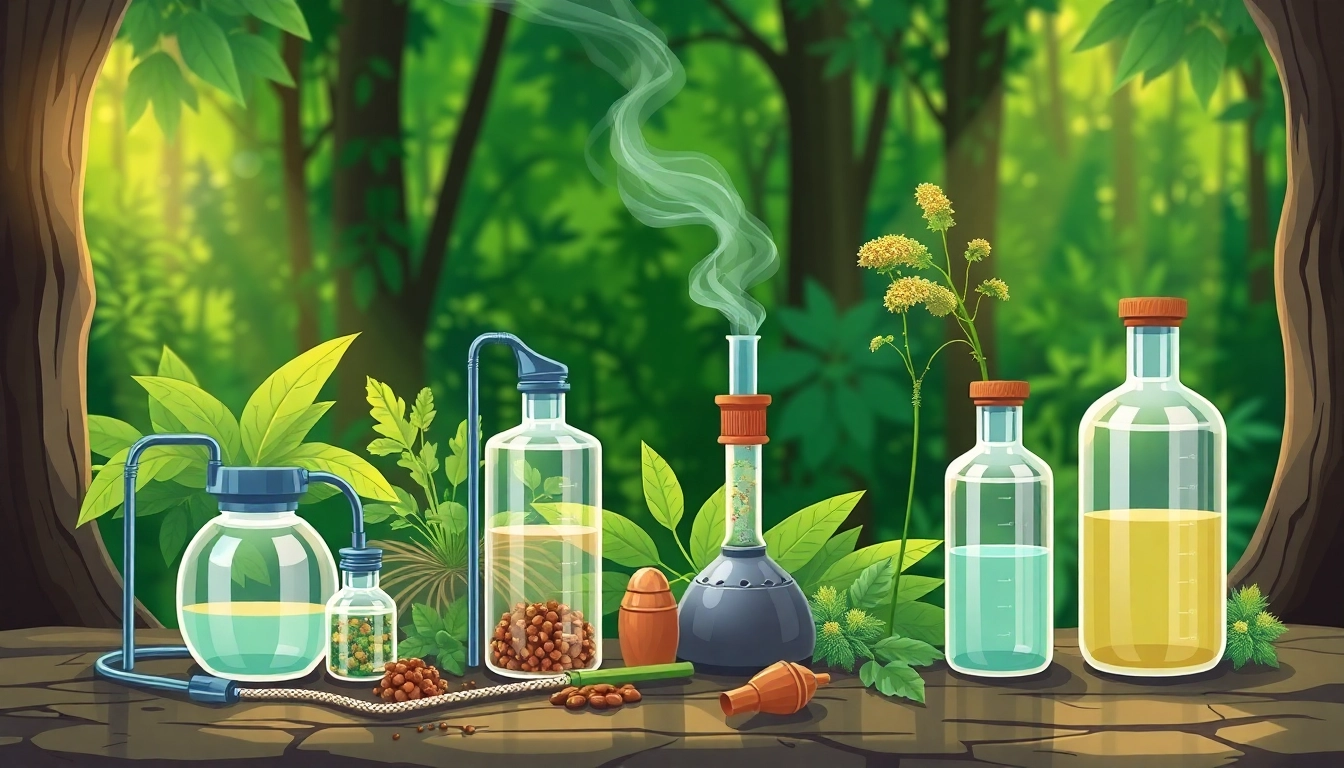
These plants are often prepared in specific ways to extract the DMT for consumption, emphasizing the deep cultural significance and traditional knowledge associated with their use.
Potential Effects and Benefits
Users often report various changes in perception, thought, and emotion when consuming DMT. Some of these effects include:
- Vivid visual hallucinations
- Altered sense of time and space
- Feelings of interconnectedness
- Insightful or enlightening experiences
In terms of potential benefits, there is growing interest in using DMT for therapeutic purposes, particularly in mental health settings. Some studies suggest that DMT may help alleviate symptoms of depression, anxiety, and PTSD.
How to Get DMT: Extraction Methods Explained
The methods of obtaining DMT vary, ranging from natural plant extraction to synthetic production. Each approach presents its own opportunities and challenges.
Plant-Based Extraction Techniques
Extracting DMT from plants typically involves using various chemical processes that facilitate the isolation of the active compound. Two of the most common extraction methods include:
- Acid-Base Extraction: This method typically involves boiling the plant material with an acidic solution, followed by basifying the mixture, which causes the DMT to separate from other compounds.
- Organic Solvent Extraction: This involves using solvents to dissolve the DMT from the plant material, more effective in obtaining a pure product. Solvents like naphtha are commonly used, but they require proper safety measures due to their toxicity.
Each method requires careful practice to ensure the maximum yield and purity of DMT while adhering to safety protocols.
Safety Precautions in DMT Extraction
When extracting DMT, safety cannot be overstated. Users should consider:
- Utilizing protective gear (gloves, goggles).
- Working in a well-ventilated area to prevent inhalation of toxic fumes.
- Understanding the legal implications of extraction before proceeding.
Taking these precautions will help mitigate risks associated with both the extraction process and the handling of chemical materials involved.
Common Mistakes People Make
Some common pitfalls in DMT extraction include:
- Inaccurate measurements of plant material or chemicals, which can lead to ineffective or unsafe outcomes.
- Not properly researching various extraction methods, leading to potential waste of resources.
- Ignoring legal considerations, which can have serious consequences.
A thorough understanding of the extraction process and careful preparation can help circumvent these issues.
Legal Implications of DMT Use
Understanding the legal landscape surrounding DMT is crucial for anyone considering its use or extraction. The legal status of DMT varies significantly by country, region, and cultural context.
Understanding Your Rights
DMT falls under the category of controlled substances in many jurisdictions, which mandates awareness of one's legal rights regarding possession, use, and extraction. It's vital to educate oneself on local laws to ensure compliance and avoid potential legal repercussions.
Current DMT Laws in the US
In the United States, DMT is classified as a Schedule I drug under the Controlled Substances Act. This classification indicates that DMT is seen as having a high potential for abuse and no accepted medical use in treatment. Consequently, both possession and distribution are subject to severe penalties, making it critical to understand these laws to navigate the landscape responsibly.
International Perspectives on DMT
Globally, DMT is handled with varying degrees of leniency and restriction. While some countries may have more permissive attitudes toward the use of psychedelics, others impose strict controls. For instance, countries like Brazil, where the use of ayahuasca (a brew containing DMT) is protected for religious practices, contrast sharply with places where all DMT use is prohibited. Understanding local laws is essential for safe and informed practice regarding DMT.
The Psychedelic Experience: What to Expect
The experience of using DMT can be intensely introspective and varied, characterized by unique effects that are often reported by users.
Preparing for a DMT Journey
Preparation is key to ensuring a meaningful and safe experience with DMT. Essential aspects of preparation include:
- Setting: Choose a safe, comfortable, and calm environment free from interruptions.
- Mindset: Ensure mental readiness; a positive mindset can significantly influence the journey.
- Companionship: Having a trusted friend as a sitter can provide reassurance and safety.
Sufficient preparation can enhance the overall experience and minimize potential anxiety or discomfort.
Integration and Aftercare
Post-experience integration is essential for making sense of what occurred during the trip. Many users benefit from sharing their experiences with others, often through therapy or discussion with friends. Journaling may also help in processing these feelings.
Potential Risks Involved
While many praise the positive effects of DMT, it is essential to recognize its potential risks:
- Negative psychological effects, including anxiety or panic.
- Physical risks, particularly when taken without proper precautions in regards to health and surroundings.
- The risk of potential legal issues stemming from possession or distribution.
Being aware of these risks can assist users in making more informed choices about their use of DMT.
FAQs About DMT Extraction and Use
What is the natural version of DMT?
DMT occurs naturally in several plants, with notable examples including Mimosa hostilis and Psychotria viridis. These plants provide a traditional source of DMT used in various cultural practices.
Can anyone extract DMT from plants?
While anyone can technically extract DMT, it requires knowledge of chemical processes and safety precautions. Legal issues may also arise, so ensuring compliance with local laws is vital.
Is it legal to extract DMT in the US?
Extracting DMT is illegal in the United States due to its classification as a Schedule I substance, making possession and distribution subject to criminal penalties.
How do DMT effects differ from other psychedelics?
DMT effects are often described as more intense and shorter in duration compared to other psychedelics like LSD or psilocybin. Users typically report quick onset and profound, often otherworldly experiences.
What are the mental health benefits of DMT?
Research suggests that DMT may have therapeutic potential for certain mental health conditions, such as depression and anxiety, though more extensive studies are needed to confirm these benefits.