
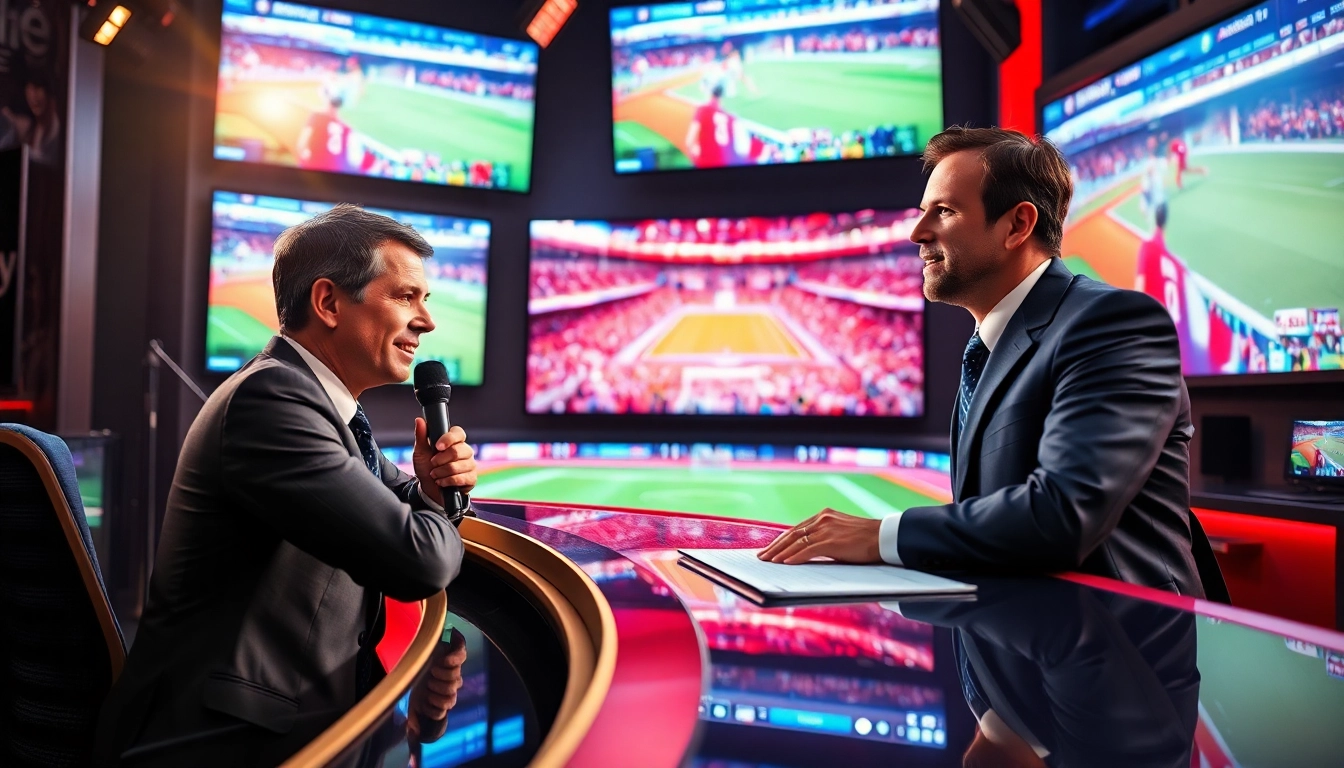
Understanding the Fundamentals of Sports Broadcasting
Definition and History of Sports Broadcasting
Sports Broadcasting refers to the live transmission of sports events over various media such as television, radio, and the internet. This industry has evolved significantly since the first broadcast in the early 20th century, allowing audiences to experience sports in real-time, regardless of their location. It has become a critical interaction point for fans wanting to engage deeply with their favorite teams and athletes.
Key Technologies in Sports Broadcasting
From analogue transmission radio signals to the latest in high-definition streaming, the technological advancements in Sports Broadcasting cannot be overstated. Key technologies include satellite transmission, fiber optics, 4K and 8K ultra-high-definition video, and digital streaming services. These innovations enable fans to enjoy unparalleled viewing experiences with crystal-clear visuals and immersive sound.
The Role of Sports Commentators and Analysts
Sports commentators and analysts serve as the bridge between the game and the viewers. Their expertise in delivering real-time analysis, player statistics, and strategic insights enriches the viewing experience. Effective commentators not only inform but also entertain, helping to create a compelling narrative around the game.
The Evolution of Sports Broadcasting
Major Milestones in Sports Broadcasting History
Sports Broadcasting has a rich history characterized by several key milestones. The first-ever radio broadcast of a sports event took place in 1921, followed by the first televised sports broadcast in 1939 featuring a baseball game. The launch of 24-hour sports networks revolutionized the industry in the 1980s, offering continuous coverage and analysis.
Transitioning from Radio to Television and Beyond
The transition from radio to television marked a seismic shift in how sports were consumed. Television not only provided visual engagement but also enhanced the storytelling aspects of sports. Today, the focus is on multi-platform delivery, catering to diverse audiences through smartphones, tablets, and smart TVs.
The Impact of the Internet on Sports Broadcasting
The internet has further transformed sports broadcasting, allowing fans to access live sports events and related content on demand. This evolution supports greater fan engagement through social media interactions, live chats, and online discussions, making sports a more communal experience.
Current Trends in Sports Broadcasting
Growth of Streaming Services in Sports Broadcasting
As viewership trends shift towards on-demand content, streaming services have emerged as key players in sports broadcasting. Platforms like ESPN+, YouTube TV, and other subscription models offer flexibility for viewers who prefer to watch live games on their schedules rather than adhering to traditional broadcast times, thereby revolutionizing the audience experience.
Innovative Formats and Audience Engagement Techniques
Innovative broadcasting formats are transforming the way sports are experienced. Techniques such as interactive viewing options, where fans can choose camera angles and access player statistics in real-time, are becoming increasingly popular. Additionally, gamification strategies, like fantasy sports integration, provide viewers with personalized and engaging experiences.
The Rise of Virtual and Augmented Reality Experiences
Emerging technologies like virtual reality (VR) and augmented reality (AR) are pushing the boundaries of viewer engagement. VR can transport fans to immersive venues, while AR enhances their understanding of gameplay through real-time data overlays. These technologies provide an engaging layer of interactivity that enriches the viewing experience.
Challenges in the Sports Broadcasting Industry
Addressing Viewership Declines in Traditional Media
One of the significant challenges facing the Sports Broadcasting industry is the decline in viewership for traditional media. As younger audiences gravitate toward digital formats, traditional broadcasters must adapt to maintain interest and attract new viewers, often reevaluating their programming strategies.
Legal Issues, Broadcasting Rights, and Regulations
Broadcasting rights negotiations are complex and fraught with legal challenges, impacting how and where sports can be aired. Legal disputes over exclusive content can lead to significant financial ramifications and restrict viewer access, requiring broadcasters to navigate a complicated landscape of agreements and regulations.
The Competition from Social Media Platforms
Social media platforms pose a growing threat to traditional sports broadcasting by providing avenues for live updates and highlights, capturing audiences' attention without the need for a broadcast network. This shift challenges broadcasters to think creatively about content delivery and audience engagement strategies.
Future Perspectives on Sports Broadcasting
Predictions for the Next Decade in Sports Broadcasting
Looking ahead, the landscape of sports broadcasting will likely be driven by further technological advancements, personalization, and the need for adaptability. Broadcasters may need to develop flexible distribution methods that cater to the evolving viewer preferences and patterns, ensuring that they remain relevant and accessible.
The Role of Artificial Intelligence in Sports Broadcasting
Artificial intelligence (AI) is set to play a transformative role in the future of sports broadcasting. From automating highlights and analyzing game strategies to recommending content based on individual viewing histories, AI will facilitate deeper engagement and enhanced user experiences.
Personalization and Customization Trends for Viewers
The expectation for personalized content continues to grow among audiences. Future broadcasting strategies will likely exploit data analytics to deliver tailored experiences, ensuring that fans receive content aligned with their interests, making sports viewing highly relevant and engaging.
FAQs
What is Sports Broadcasting?
Sports Broadcasting refers to the live transmission of sports events over various media such as television, radio, and internet, providing commentary and analysis for audiences.
How has technology changed Sports Broadcasting?
Technology has introduced advanced broadcasting techniques like high-definition, instant replay, and multi-camera setups, enhancing viewer engagement and experience significantly.
What are the major platforms for Sports Broadcasting?
Major platforms include traditional television networks, sports streaming services like ESPN+, and numerous digital channels that offer live streaming for various sports.
What challenges does Sports Broadcasting face today?
The industry faces challenges like declining traditional viewership, legal disputes over broadcasting rights, and competition from interactive social media platforms and streaming services.
What is the future of Sports Broadcasting?
The future lies in increased personalization through AI, virtual reality experiences, and further integration with digital platforms, reshaping how audiences interact with sports content.