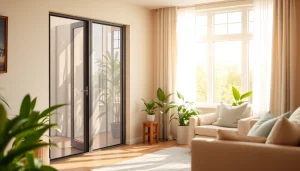
Enhancing Your Home with a Stylish Fly Screen Door
Understanding the Benefits of a Fly Screen Door
A fly screen door is not just a practical addition to your home; it brings a multitude of benefits that enhance your living environment. This feature is particularly valuable for individuals who enjoy fresh air without unwanted intrusions from insects or debris. It creates a harmonious balance between indoor and outdoor spaces, allowing occupants to savor the natural breezes while maintaining a degree of protection. Among the many options available, the fly screen door stands out for its design and functionality. In this section, we will delve into the core benefits that make fly screen doors an indispensable addition to any home.
1. Improved Air Quality
One of the primary advantages of installing a fly screen door is the remarkable improvement in air quality it facilitates. By keeping dust, pollen, and other allergens at bay, a fly screen door allows for a steady airflow in your living spaces. This is especially beneficial for asthma sufferers or individuals with allergies, as it minimizes the irritants that can exacerbate their conditions. Additionally, good ventilation is essential for maintaining the freshness of indoor air and preventing the buildup of stagnant smells that can occur in enclosed spaces.
2. Pest Prevention
This may be the most obvious benefit, but it is undoubtedly vital: fly screen doors are excellent at keeping various pests, including flies, mosquitoes, and other insects, outside where they belong. These nuisances not only disrupt your peace but can also pose health risks by carrying diseases. The installation of a fly screen door acts as a barrier, allowing you to enjoy the outdoors without worrying about these pests entering your home. Furthermore, it provides peace of mind, especially during outdoor gatherings when insects tend to be more prevalent.
3. Enhanced Aesthetic Appeal
Beyond their practicality, fly screen doors also contribute to the aesthetic appeal of your home. Modern designs come in various colors, patterns, and styles that can seamlessly integrate with your existing décor. Whether you prefer a minimalist look or something more ornate, you can find a fly screen solution that enhances your entryways. This improved aesthetic not only uplifts your home’s exterior but can also add value should you decide to sell the property.
Types of Fly Screen Doors Available
When considering a fly screen door, it’s essential to explore the diverse options available. Each type serves different design sensibilities and functional needs, ensuring you find the perfect fit for your home.
1. Sliding Mechanisms
Sliding fly screen doors are an increasingly popular choice, particularly for homes with spaces that lead directly outdoors, such as patios or balconies. These doors glide smoothly on tracks, offering easy access without the need for swing space. Their sleek design complements contemporary homes and can be made to fit virtually any size opening. Furthermore, sliding mechanisms can be incorporated with additional features such as self-closing mechanisms for added convenience.
2. Hinged Styles
Hinged fly screen doors operate similarly to traditional doors, swinging open and closed. This type is ideal for front doors or internal entries where a sturdy and secure option is required. Hinged doors are available in various materials, including aluminum and timber, making them versatile for different aesthetic preferences. Their robust design enhances security while still providing the benefits of a fly screen.
3. Pleated Designs
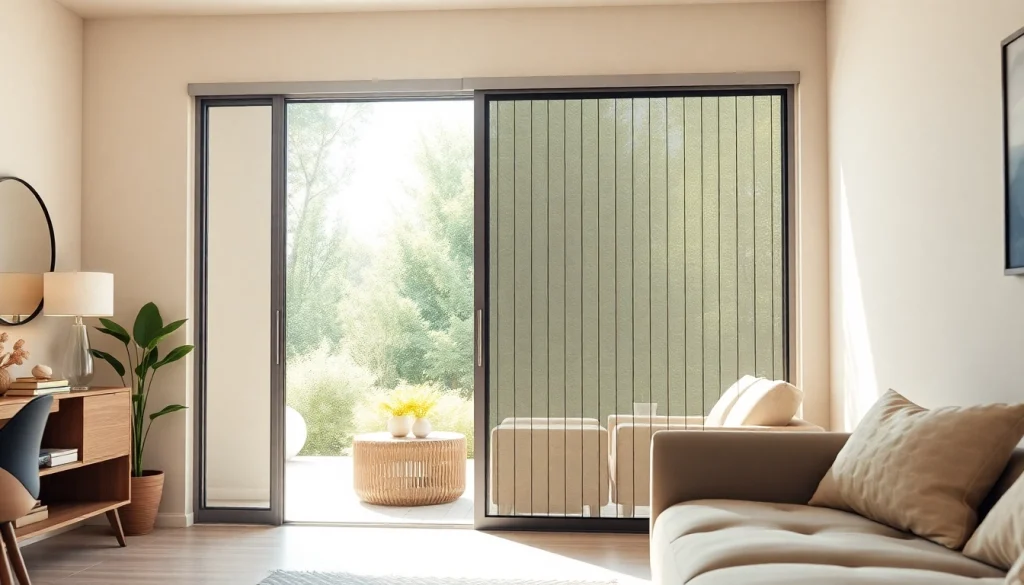
Pleated fly screen doors are a modern option that offers both aesthetic appeal and functional benefits. Their collapsible design allows them to take up minimal space when not in use. This feature is particularly useful for larger openings or homes that experience high traffic through their doors. Pleated designs can easily blend with your home’s style and offer flexible solutions for spaces such as patios or large sliding doors, giving you the ability to enjoy an unobstructed view while maintaining functionality.
Choosing the Right Fly Screen Door for Your Home
Selecting the perfect fly screen door involves considering several factors to ensure it meets your specific needs and fits seamlessly within your home environment.
1. Measuring for Perfect Fit
The first step in finding the right fly screen door begins with accurate measurements. You must measure the height and width of your door frame to ensure a snug fit. Consider any obstructions like handles, locks, or hinges that may affect the door’s installation. If in doubt, enlist the help of a professional to avoid the nuisance of having a poorly fitted door that compromises functionality.
2. Material Selection
Fly screen doors are available in various materials, each offering unique benefits. Aluminum frames are lightweight yet robust, making them an excellent choice for high-traffic areas. Timber frames can add warmth and charm to your home but require more maintenance over time. Consider the climate in your area, as some materials may be more durable and weather-resistant than others, ensuring longevity and functionality throughout the seasons.
3. Color and Style Considerations
While functionality is key, aesthetic appeal shouldn’t be overlooked. The color and style of your fly screen door should complement your home’s design scheme. Whether you prefer a bold statement or a subtle enhancement, consider how your chosen door will look with the exterior and surrounding elements of your property. Many manufacturers offer custom designs to help you achieve the desired look, blending high functionality with visual appeal.
Installation Process for Fly Screen Doors
Installing a fly screen door can often be a straightforward process, provided you have the right tools and follow the proper steps. Below is a comprehensive guide on the installation process, ensuring you can enjoy your new door in no time.
1. Tools Needed
Before beginning the installation, gather the necessary tools. You will typically require a screwdriver, a measuring tape, a level, and, in some cases, a drill for more permanent fixtures. Having all your tools at hand will make the process smoother and more efficient, preventing any unnecessary delays.
2. Step-by-Step Installation Guide
- Preparation: Start by cleaning the door frame and removing any old fixtures or debris.
- Measurement: Re-check your measurements to confirm that your fly screen door will fit properly within the frame.
- Assemble the Screen: If your fly screen door comes in parts, follow the manufacturer’s instructions to assemble them correctly.
- Attach Hinges or Tracks: Secure the hinges or tracks as per the provided guidelines to ensure proper alignment.
- Install the Screen Door: Insert the fly screen door into the openings, ensuring that it swings or slides smoothly.
- Test Functionality: Open and close the screen door several times to ensure it operates without issues. Make adjustments if necessary.
3. Common Installation Challenges
While installing a fly screen door may seem simple, several challenges may arise. Common issues include misalignment during installation, which can lead to improper functioning. If the screen door seems to stick or doesn’t close completely, double-check your measurements and adjust the fittings as required. Another challenge can be ensuring a proper seal; if gaps are evident when the door is closed, consider using weather stripping to improve insulation and pest prevention.
FAQ: Questions About Fly Screen Doors
1. How do I clean my fly screen door?
Clean your fly screen door by gently vacuuming or using a soft brush to remove dust and dirt. For a deeper clean, use warm soapy water and a soft cloth, rinsing thoroughly. Ensure it dries completely to prevent buildup.
2. Can a fly screen door be installed on any door frame?
Fly screen doors can be fitted on most standard door frames. However, unique or non-standard frames may require customization. Always measure accurately to ensure compatibility.
3. What is the lifespan of a fly screen door?
A well-maintained fly screen door can last several years, typically around 5 to 10 years. The lifespan may vary depending on material, usage, and exposure to elements.
4. Are fly screen doors customizable in size and color?
Yes, many manufacturers offer customizable fly screen doors to suit specific sizes and aesthetic preferences. This allows you to match your door screen to your home’s decor perfectly.
5. How effective are fly screen doors against large insects?
Fly screen doors are effective against a wide range of insects, including larger ones. The mesh design can prevent flies and mosquitoes from entering while allowing airflow.