Essential Guide to Choosing a Fly Screen Door for Your Home
Understanding Fly Screen Door Functionality
What is a Fly Screen Door?
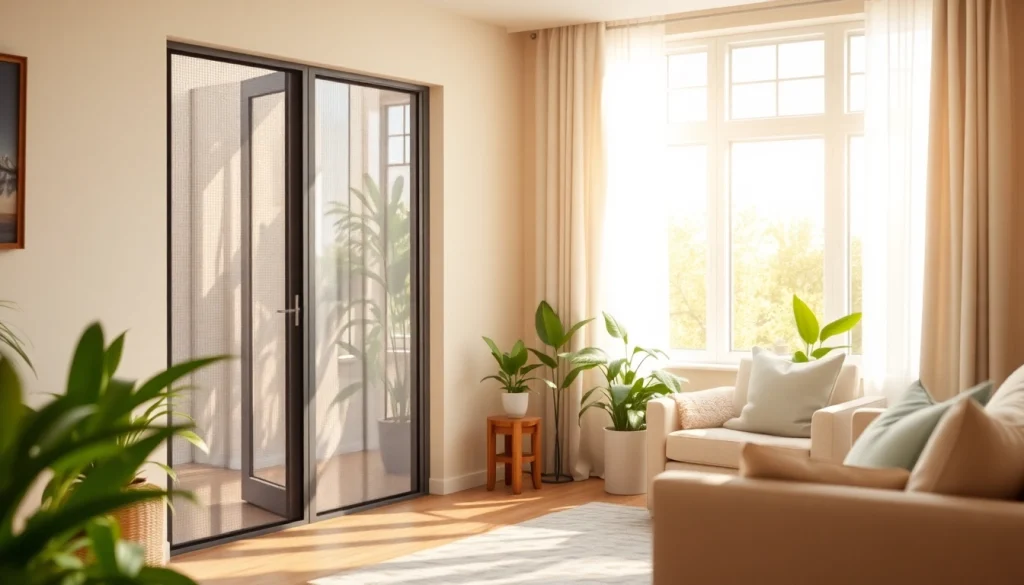
A fly screen door is a specialized barrier designed to prevent insects and other unwanted pests from entering your home while allowing fresh air and natural light to flow in. These screens are typically made from mesh materials that provide visibility and ventilation, making them an ideal solution for maintaining comfort in homes, especially during warmer months.
How Fly Screen Doors Work
Fly screen doors operate on a simple yet effective mechanism. The mesh is stretched tightly over a doorframe, secured in place by a frame or adhesive strips. This installation allows easy passage for people and pets while blocking entry for flying and crawling insects. Some designs feature magnetic closures or retractable options that offer hands-free convenience, automatically sealing when not in use.
Benefits of Using Fly Screen Doors
There are numerous advantages to installing a fly screen door:
- Insect Protection: The primary advantage is reliable defense against household pests, effectively minimizing exposure to annoying flies and mosquitoes.
- Improved Ventilation: A fly screen door allows for airflow, helping to keep indoor environments fresh without compromising on safety.
- Energy Efficiency: Using a fly screen door reduces the need for air conditioning, thus lowering energy bills.
- Easy Installation: Many fly screen doors can be installed without professional help, making them accessible for DIY enthusiasts.
Types of Fly Screen Doors
Magnetic Fly Screen Doors
Magnetic fly screen doors utilize strategically placed magnets along the center seam, allowing easy access. As you walk through, the magnets part, automatically sealing behind you to prevent insects from entering. These doors are typically easy to install and perfect for high-traffic areas in homes.
Retractable Fly Screen Doors
Retractable fly screen doors fold away when not in use, making them an excellent space-saving option. They can fit various door styles and are particularly popular for patio and bifold doors, providing unobstructed views when fully retracted while maintaining functionality when extended.
Pet-Friendly Fly Screen Doors
Designs customized for pet owners are also available. These doors are made with extra-durable mesh and may include flaps that allow pets to enter and exit freely. Such features ensure comfort for pets without compromising insect protection for household occupants.
Factors to Consider When Choosing a Fly Screen Door
Door Size and Measurement
The first step in selecting a fly screen door is obtaining the correct measurements. Measure the width and height of your doorframe to determine your options. Many manufacturers offer made-to-measure solutions, ensuring a perfect fit for even non-standard openings.
Material Options for Durability
Fly screen doors come in various materials, with fiberglass, aluminum, and plastic being the most common. Each material offers unique advantages:
- Fiberglass: Lightweight and resistant to rust, ideal for various climates.
- Aluminum: Offers increased sturdiness; great for heavy use and resistant to corrosion.
- Plastic: Affordable yet effective; suitable for low-traffic areas.
Style and Aesthetic Integration
When selecting a fly screen door, consider its style. Screens come in various colors and designs, enabling seamless integration with your home’s architecture. Choosing a design that complements your existing décor not only enhances appeal but can also increase property value.
Installation Tips for Fly Screen Doors
DIY vs. Professional Installation
Installation can often be completed as a DIY project, particularly for magnetic or adhesive models that come with straightforward instructions. However, complex systems, such as retractable fly screen doors, may benefit from professional installation to ensure proper fitting and function. Assess your skills and confidence before proceeding.
Common Mistakes to Avoid
Here are several pitfalls to steer clear of during installation:
- Inaccurate Measurement: Always double-check, as even minor discrepancies can lead to a poor fit.
- Poor Cleaning: Ensure the doorframe is clean of debris and dust before installation for optimal adhesion.
- Ignoring Instructions: Take the time to read the installation guide thoroughly.
Maintenance and Care for Longevity
To extend the life of your fly screen door, regular maintenance is key. Clean the mesh periodically with water and a mild detergent to prevent dirt buildup. Check the frame for any signs of wear and tear, and make necessary repairs promptly. Proper care ensures that the door remains functional for years to come.
Frequently Asked Questions About Fly Screen Doors
Are Fly Screen Doors Effective?
Yes, fly screen doors are highly effective at preventing insects from entering your home while allowing airflow and natural light.
How Much Do Fly Screen Doors Cost?
Costs vary based on size and type but generally range between $30 to $300, depending on customization and material quality.
Can I Customize a Fly Screen Door?
Many manufacturers offer options to customize size, color, and mesh type to match your specific needs and preferences.
How Do I Clean My Fly Screen Door?
Clean your fly screen door with a mixture of mild soap and water. Use a soft cloth or sponge to avoid damaging the mesh.
What Sizes Are Available for Fly Screen Doors?
Fly screen doors are available in standard sizes, but many companies offer custom sizes to accommodate unique doorways.